
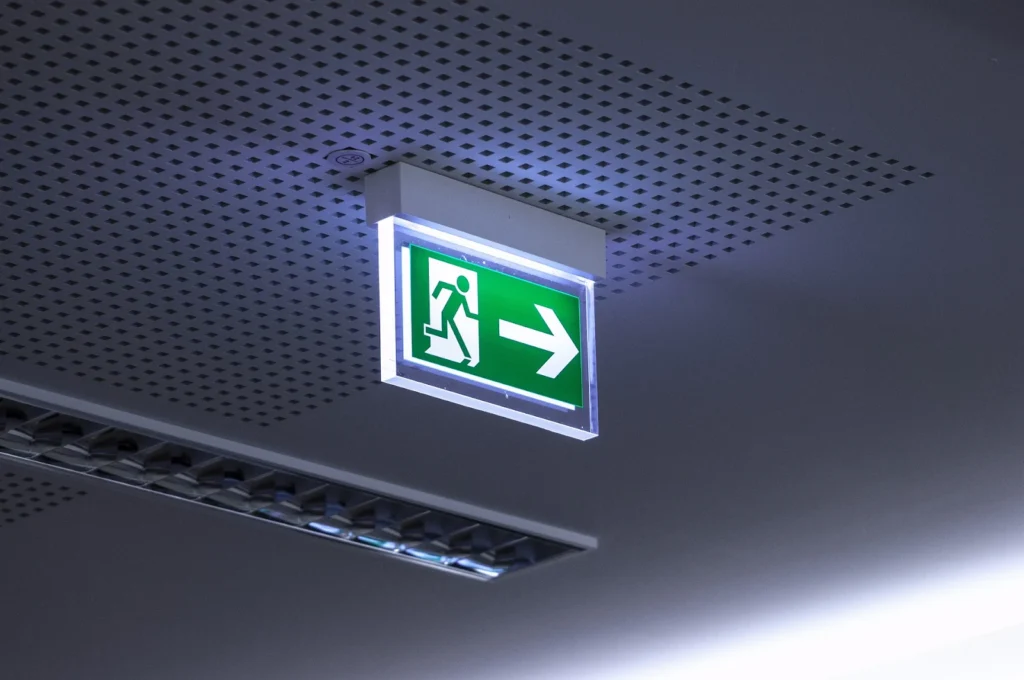
Emergencies can strike without warning. Whether it’s a fire, power outage, flood, or structural failure, the ability to respond quickly and effectively can save lives and prevent property damage. This is why emergency preparedness is essential in buildings, workplaces, and shared housing. A key element of preparation is conducting a Fire Risk Assessment London, which helps identify hazards, evaluate risks, and implement appropriate preventive and protective measures.
In cities like London, where buildings vary in size, age, and purpose, emergency preparedness isn’t optional—it’s a necessity. Proper systems, such as Emergency Lighting Installation London, ensure safe evacuation during power failures or emergencies and are often mandated by law.
What Is Emergency Preparedness?
Emergency preparedness means having a structured plan to handle unexpected events. This includes:
Ensuring buildings are safe and exits are clear
Maintaining working alarms and safety systems
Educating occupants on what to do in emergencies
Preparedness can prevent injuries, protect property, and save lives. For instance, in the event of a fire in a residential block or office, functional emergency lighting and clear evacuation routes allow occupants to exit safely even if mains power fails. Regular drills, safety training, and equipment checks are all part of effective preparation.
The Importance of Safety Regulations
Safety regulations are legally enforced rules designed to protect people in various environments. They cover fire safety, electrical systems, building integrity, and emergency procedures. In the UK, the Regulatory Reform (Fire Safety) Order 2005 requires property owners and employers to conduct fire risk assessments and maintain safe conditions for all occupants.
These regulations are especially important in densely populated areas like London, ensuring that homes, offices, schools, and public venues meet minimum safety standards. Compliance not only safeguards lives but also protects property owners from legal liability.
Emergency Lighting and Building Safety
Emergency lighting is a critical safety feature. When standard lighting fails, emergency lights illuminate hallways, staircases, and exits, guiding people to safety.
Non-residential buildings, including offices, hotels, and public venues, typically require emergency lighting by law
Residential properties, particularly shared housing, increasingly include emergency lighting in common areas such as corridors and stairwells
Proper installation, regular testing, and maintenance are essential. Systems must automatically activate during power failures and provide sufficient illumination to ensure safe evacuation.
Planning and Practicing Evacuations
Emergency preparedness involves more than equipment; people must know how to respond. Key actions include:
Creating detailed evacuation plans for fires, gas leaks, floods, or structural failures
Conducting regular drills to familiarize occupants with escape routes and assembly points
Identifying and fixing issues like blocked exits or unclear signage before a real emergency
For workplaces and public buildings, fire drills are legally required and help reduce panic during emergencies.
Training and Responsibility
Safety is a shared responsibility:
Building owners and managers must ensure safety systems are functional, conduct regular inspections, and provide staff training
Staff and tenants should be educated on emergency procedures, use of fire extinguishers, and location of emergency exits
Even simple measures, like placing leaflets or posters in shared areas, can improve awareness and readiness.
Inspections and Compliance
Safety systems only work if regularly inspected. This includes emergency lighting, fire alarms, and extinguishers. UK guidance from the Health and Safety Executive (HSE) provides detailed compliance advice.
Maintaining records of safety inspections and maintenance is critical. In the event of an incident, documentation demonstrates that proper precautions were taken, which can be important for insurance or legal purposes.
Adapting to Different Buildings
Emergency preparedness must consider building type:
Small offices may require basic alarms and emergency lighting
Large commercial buildings or shopping centres need advanced systems and detailed evacuation procedures
Older buildings often need careful upgrades to meet modern standards without damaging historical features
New constructions typically include wider staircases, better lighting, and fire-resistant materials to enhance safety
Technology and the Future of Emergency Preparedness
Modern technology improves emergency planning:
Automated smoke and heat detectors trigger alarms immediately
Central monitoring systems track equipment status across multiple sites
Mobile apps alert staff and occupants of emergencies in real time
Digital records simplify inspection tracking and compliance
While technology is powerful, human elements like planning, training, and clear communication remain essential.
Conclusion
Emergency preparedness is about proactive planning, not just reacting to disasters. Compliance with safety regulations, such as Fire Risk Assessment London and Emergency Lighting Installation London, ensures that buildings are ready to protect lives and property.
By implementing proper systems, training occupants, and conducting regular inspections, property owners and managers can create safe environments where tenants, staff, and visitors are prepared for emergencies.