
Gas safety is an important consideration for every property owner, whether you are a landlord, a business owner, or a homeowner. A gas safety certificate and regular gas safety inspections are vital in ensuring the safety of gas appliances and systems, preventing accidents, and complying with legal regulations. Whether you’re renting out a property or simply maintaining your home, a thorough gas appliance check can protect your tenants and family from harmful gas leaks, carbon monoxide poisoning, and fire hazards.
In this article, we will explore the importance of gas safety inspections, the process of conducting a gas appliance check, and the legal obligations of property owners to ensure their buildings meet required safety standards.
Why Gas Safety Matters
Gas-related accidents are a leading cause of injuries, deaths, and property damage. Gas safety checks are necessary to prevent these tragic incidents, especially in properties that rely on gas-powered appliances, heating systems, and water heaters. Faulty appliances or poor installation can cause dangerous gas leaks, carbon monoxide buildup, or even fires. A gas safety inspection is designed to identify any risks early, preventing potential harm and costly damage.
For landlords, gas safety is even more important, as the law mandates regular gas safety checks for rental properties. Having a gas safety certificate not only demonstrates compliance with legal requirements but also provides assurance to tenants that their home is safe from gas hazards. Regular inspections help to identify appliance malfunctions before they become serious issues, ensuring that everything from your heating system to your kitchen appliances is operating efficiently and safely.
Legal Requirements for Gas Safety Inspections
In the UK, property owners and landlords are required by law to arrange for a gas appliance check at least once a year. Under the Gas Safety (Installation and Use) Regulations 1998, landlords must ensure that gas appliances and systems in their rental properties are inspected annually by a Gas Safe registered engineer. This ensures that the appliances are working safely, and there are no leaks or potential safety hazards.
A gas safety certificate is issued after the inspection if the appliances are found to be safe. This certificate must be provided to tenants within 28 days of the inspection and retained for at least two years. Failing to comply with these regulations can result in severe penalties, including fines and imprisonment, as well as increased liability in the event of an accident.
The Gas Safety Inspection Process
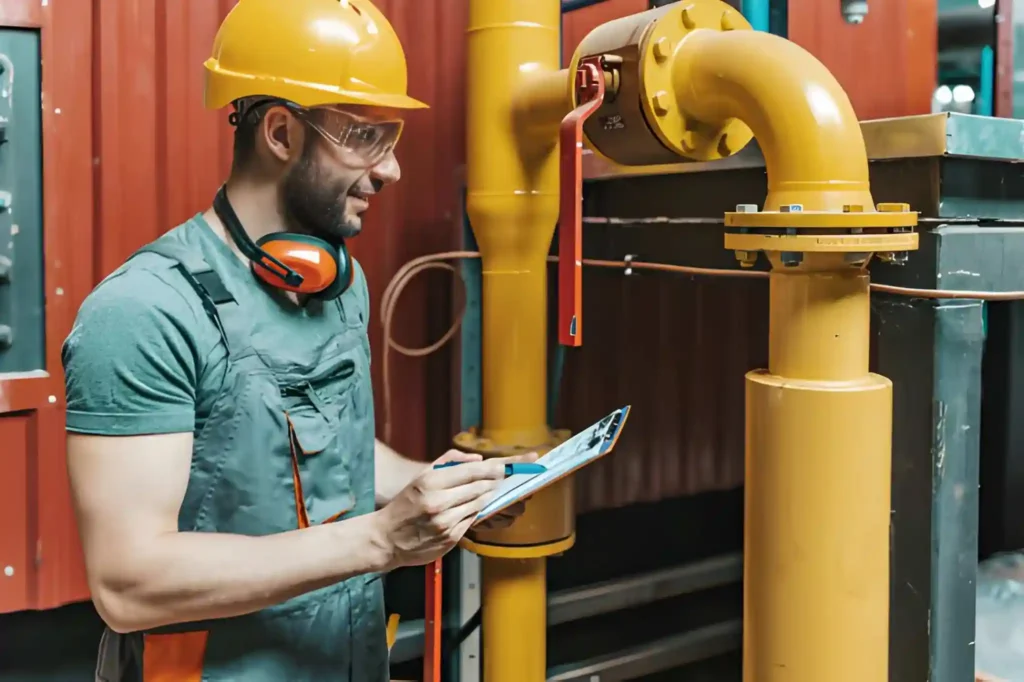
A gas safety inspection is a comprehensive examination of all gas-powered appliances in a property, carried out by a qualified Gas Safe registered engineer. The inspection process typically includes the following:
1. Checking Gas Appliances
The engineer will inspect all gas appliances, such as boilers, gas fires, ovens, and water heaters, to ensure they are functioning properly and do not pose a safety risk. The gas appliance check includes looking for any signs of wear, corrosion, or damage that could lead to malfunctions or leaks. If an appliance is found to be unsafe, the engineer will provide recommendations for repairs or replacements.
2. Testing for Gas Leaks
One of the most critical aspects of a gas safety inspection is checking for gas leaks. The engineer will test the gas supply system and all pipework to ensure there are no leaks. Even small leaks can be dangerous, leading to the buildup of flammable gas in the property. If any leaks are detected, the engineer will advise on immediate repairs to prevent hazards.
3. Inspecting the Ventilation and Flues
The engineer will also check that all gas appliances are correctly ventilated and that flue systems are clear. Blocked or damaged flues can prevent the safe release of combustion gases, including carbon monoxide, into the atmosphere. The gas safety inspection ensures that the ventilation systems are functioning properly and that gases are safely vented outside the building.
4. Verifying Safety Devices
The engineer will check that safety devices, such as carbon monoxide detectors, are installed and functioning. Carbon monoxide is a colorless, odorless gas that can be deadly if inhaled in large quantities. Having working detectors in place is essential for alerting occupants to the presence of this dangerous gas.
5. Issuing the Gas Safety Certificate
Once the gas safety inspection is complete, and if the appliances meet safety standards, the engineer will issue a gas safety certificate. This certificate confirms that the appliances and systems in the property are safe to use. If any issues are found during the inspection, the engineer will highlight them and provide recommendations for repairs or improvements.
Benefits of Gas Safety Inspections
There are several benefits to conducting regular gas safety inspections, both for property owners and tenants:
1. Protecting Health and Safety
The most important benefit of a gas appliance check is the protection of the health and safety of everyone in the property. By regularly inspecting gas appliances and systems, potential risks such as gas leaks or carbon monoxide poisoning can be identified and addressed before they cause harm.
2. Ensuring Legal Compliance
For landlords, having a gas safety certificate is not just a best practice—it’s a legal obligation. Regular gas safety inspections ensure that you comply with the law and avoid fines or legal consequences. This helps protect your tenants while also ensuring that your property meets the necessary safety standards.
3. Preventing Costly Repairs
Regular inspections help identify issues early, preventing more serious problems down the line. For instance, small leaks or appliance malfunctions can be repaired during a gas safety check, saving you money on costly repairs or replacements later on. Early detection of problems helps minimize damage to appliances and the property itself.
4. Reducing Insurance Costs
Many insurance providers require landlords to provide proof of regular gas safety inspections before offering or renewing coverage. By having an up-to-date gas safety certificate, you can often reduce your premiums or ensure your insurance coverage remains valid in the event of an incident.
5. Peace of Mind
Knowing that your property is safe from gas-related hazards provides peace of mind for both landlords and tenants. Tenants can feel confident knowing that their gas appliances have been inspected and are safe to use. Landlords can be assured that they have met all their legal obligations and are protecting both their property and their tenants.
How Often Should Gas Safety Checks Be Conducted?
In the UK, it is legally required for landlords to arrange an annual gas safety inspection for their rental properties. This inspection should be conducted every year, ideally before the start of each rental period. However, even if you are not a landlord, regular gas inspections are a good practice for homeowners to ensure that their appliances are in safe working order.
If any appliances or systems are found to be unsafe during the inspection, they should be repaired or replaced immediately. The engineer will provide a written report of the inspection, including any issues found, and advise on necessary actions to ensure the safety of the property.
The Importance of Gas Safety in the Home
For homeowners, gas safety should be a priority to avoid accidents or health issues related to gas leaks. In addition to regular inspections, homeowners should take proactive steps to ensure that their gas appliances are properly maintained. This includes keeping appliances clean, ensuring that vents and flues are clear, and installing carbon monoxide detectors.
While a gas safety certificate may not be required for private homeowners in the same way it is for landlords, conducting regular gas safety checks can help ensure that your home remains a safe place for you and your family. If you’re unsure about the condition of your gas appliances, it’s always wise to schedule a professional inspection.
Conclusion
Gas safety is a vital aspect of property maintenance, whether you’re a landlord, homeowner, or business owner. Regular gas safety inspections and gas appliance checks can help identify and prevent risks associated with faulty appliances, gas leaks, and carbon monoxide poisoning. Ensuring that your property is fitted with properly functioning gas appliances and systems not only protects the health and safety of tenants or family members but also helps you comply with legal requirements and avoid expensive repairs.By scheduling annual gas safety checks with a Gas Safe registered engineer, you can ensure that your property meets all safety standards and provides a secure environment for everyone. Whether you’re a landlord, a homeowner, or simply someone who wants to ensure their property is safe, conducting regular inspections and obtaining a gas safety certificate is one of the best ways to protect your property and its occupants from potential gas-related hazards.