
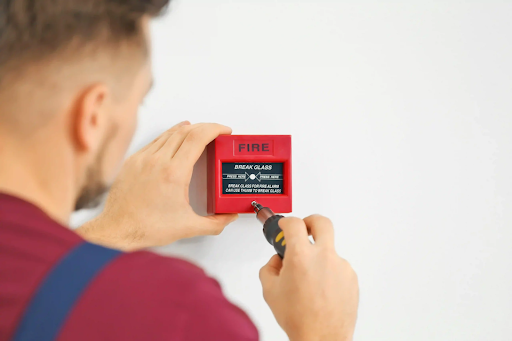
Keeping a home safe goes beyond installing equipment—it starts with the habits, choices, and awareness of the people living there. Tools like smoke detectors, fire extinguishers, and locks are essential, but they are only effective when homeowners and tenants actively take personal responsibility.
In densely populated cities like London, where multi-storey and shared properties are common, even small safety oversights can have serious consequences. Early actions, such as arranging a Fire Risk Assessment London or investing in professional Fire Alarm Installation London, are key steps in protecting your home and its occupants.
Daily Habits That Influence Safety
Home safety is about consistent habits, not one-time actions. Simple routines can drastically reduce risks:
Turning off electrical appliances when not in use
Checking doors and windows are properly secured
Avoiding overloaded sockets and power strips
Other preventative measures, like sweeping chimneys in winter, never leaving candles unattended, or testing alarms monthly, demonstrate responsible homeownership. Combined with professional assessments, these habits help prevent fires, gas leaks, and other emergencies.
Knowledge and Awareness
Awareness of potential hazards is a cornerstone of home safety. Knowing where your circuit breaker, fire extinguisher, and first aid kit are located empowers you to respond calmly in emergencies.
The UK government provides practical guidance on fire safety through resources like the Fire Kills campaign, which offers simple steps to prepare for potential risks.
Fire Safety and Personal Accountability
Fire Prevention Is Everyone’s Responsibility
Fires can spread quickly, especially in urban areas. Every resident should understand their role in reducing fire hazards:
Unplugging devices at night
Cleaning tumble dryer lint regularly
Discussing fire safety measures with family or flatmates
A shared understanding ensures everyone knows how to exit safely and where to assemble outside in an emergency.
Maintaining Fire Alarms and Safety Equipment
Smoke alarms and carbon monoxide detectors are only effective if installed correctly, tested regularly, and maintained. Responsible homeowners proactively check these devices, replace batteries, and fix faults promptly.
Upgrading or installing a reliable fire alarm system—even beyond legal requirements—is a sign of personal responsibility, particularly in older properties where risks are higher.
Electrical and Gas Safety
Handling Electrical Hazards
Faulty wiring, overloaded outlets, and outdated appliances are major contributors to house fires. Homeowners must spot early warning signs like flickering lights, hot plugs, or tripped breakers and call a certified electrician immediately.
Gas Safety and Carbon Monoxide
Regular servicing of boilers, cookers, and heaters by a Gas Safe registered engineer is essential. Installing carbon monoxide detectors near gas appliances and recognizing symptoms of poisoning—headaches, dizziness, or nausea—are vital steps in protecting your household.
Teaching Household Members
Educating Children and Vulnerable Residents
Everyone in the home should understand basic safety rules:
Children should never play with matches or lighters
Elderly family members should know emergency contacts and escape routes
Sharing knowledge about fire blankets, gas shut-off valves, and first aid fosters a collaborative approach to safety.
Creating Emergency Plans
Developing and practicing emergency exit plans helps build confidence during real crises. Include:
Primary and alternative exit routes
Meeting points outside the property
Actions to take if smoke or obstacles block the usual path
Practicing these plans regularly ensures that all household members respond calmly in emergencies.
Maintenance and Regular Inspections
Personal responsibility extends to ongoing maintenance:
Checking alarms and replacing batteries
Inspecting gas connections and servicing heating systems
Performing monthly safety checks around the home
Many accidents occur not because equipment is lacking but because it is not functioning correctly. Regular inspections prevent these failures.
Staying Compliant with Legal Requirements
Homeowners and landlords must adhere to regulations such as installing smoke alarms on every floor and testing them regularly. Staying informed about changes to safety legislation ensures you remain compliant and demonstrates proactive responsibility.
Conclusion
Personal responsibility is the foundation of home safety. From hiring reliable Fire Alarm Installation London services to practicing daily safety habits, your actions directly impact the security of your home.
While laws and safety standards provide a framework, it’s the consistent, proactive behaviour of residents that truly keeps a home safe. Taking responsibility reduces risks, prevents accidents, and creates peace of mind for everyone in the household.
Safety begins with you.