
Is your home truly as safe as you think it is? For most families, the answer is a mix of everyday comfort and lingering worry. True peace of mind doesn’t come from luck it comes from turning that worry into proactive protection. When you prioritize Home Safety and Security, you create a resilient environment where your loved ones can thrive.
Creating a secure environment requires a balance of smart habits, physical reinforcements, and modern technology. This comprehensive guide breaks down the vital steps every homeowner should take to optimize their living space, prevent accidents, and establish a bulletproof defense system.
How can you secure your home against
break-ins?
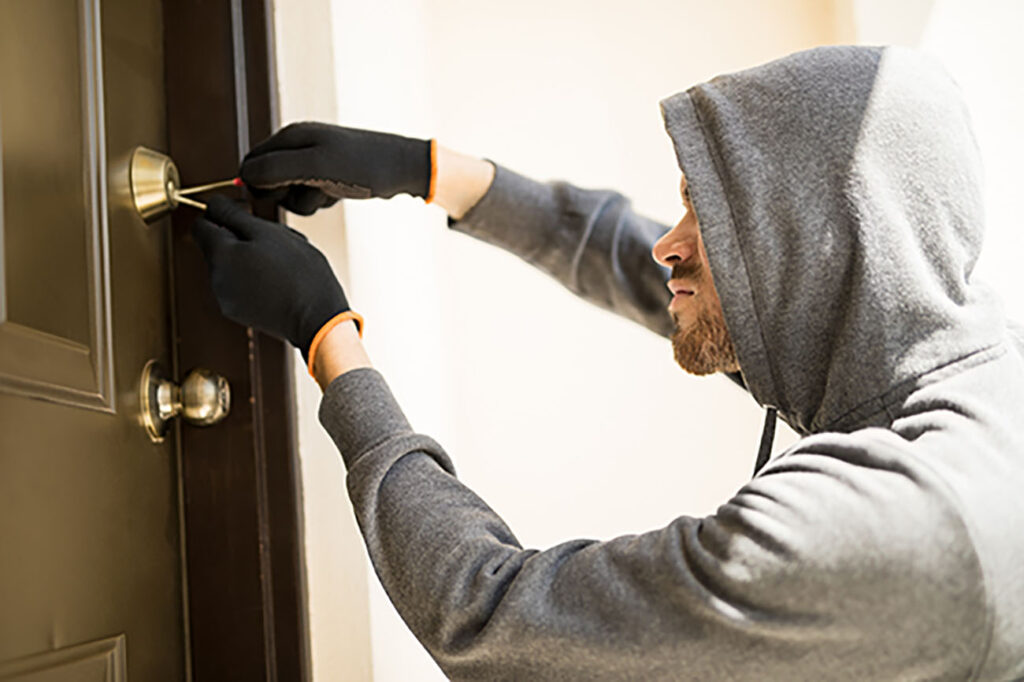
The first line of defense is always physical security. Upgrading your doors with heavy-duty deadbolts and reinforcing strike plates makes forced entry incredibly difficult. Pair these physical barriers with visible smart security cameras at key entry points like the front door, back alley, and garage. Investing in a modern Home Safety and Security system acts as a powerful deterrent, forcing potential intruders to move on rather than risk detection.
What are the best ways to prevent accidental
fires?
Fire safety relies entirely on early detection and prevention. Ensure you have smoke detectors installed on every floor of your house, specifically inside and directly outside all sleeping areas. To maintain high standards of Home Safety and Security, test these alarms monthly and replace the batteries at least once a year. Beyond detection, keep a multi-purpose fire extinguisher in high-risk zones like the kitchen and garage.
How do you protect young children from household hazards?
Childproofing requires a proactive, room-by-room assessment of potential risks. Anchor heavy furniture—such as bookshelves, dressers, and televisions firmly to the wall studs to prevent catastrophic tip-over accidents. Proper childproofing is a vital element of comprehensive Home Safety and Security, so use secure safety gates at both the top and bottom of staircases, install window guards, and store all cleaning chemicals and medications in locked cabinets completely out of reach.
Why is outdoor and perimeter lighting so important?
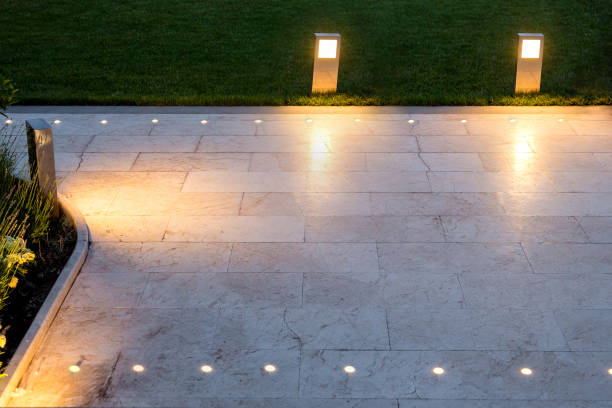
Intruders look for dark, unmonitored areas to operate completely unseen. By installing motion-activated floodlights around the perimeter of your house, you instantly eliminate these dangerous blind spots. Focus your lighting design on walkways, dark side-yards, and entry gates. A well-lit exterior ensures your property remains highly visible, making it an unattractive target throughout the night.
How can smart technology improve your daily security?
Smart home technology gives you real-time oversight and control over your environment, no matter where you are in the world. Integrating smart locks, video doorbells, and automated lighting allows you to monitor daily arrivals, lock forgotten doors remotely, and receive instant motion alerts on your phone. Upgrading to smart tech is the easiest way to modernize your Home Safety and Security setup and simulate occupancy while you are away on vacation.
What steps should you take to prepare for emergencies?
Every household needs a clear, practiced emergency action plan. Sit down as a family to map out two distinct exit routes from every single room and designate a safe meeting spot outside the property line. Alongside this blueprint, maintain a fully stocked emergency kit containing fresh water, non-perishable food, first aid supplies, flashlights, and copies of essential documents so you can act instantly during a crisis.
Pro Tip: Set a recurring calendar reminder on your phone every six months to test your alarms, check expiry dates on your emergency kit supplies, and walk through your evacuation paths with your family.
Conclusion
Achieving reliable protection requires a combination of the right tech, physical reinforcements, and consistent daily habits. By systematically addressing entry points, fire risks, childproofing, and emergency preparedness, you build a resilient environment. Investing a little time today into your setup ensures that your sanctuary remains completely protected tomorrow. Ultimately, robust protection is an ongoing practice, not a one-time project. Prioritizing these steps means protecting your greatest financial asset and your most precious loved ones, guaranteeing lasting peace of mind.